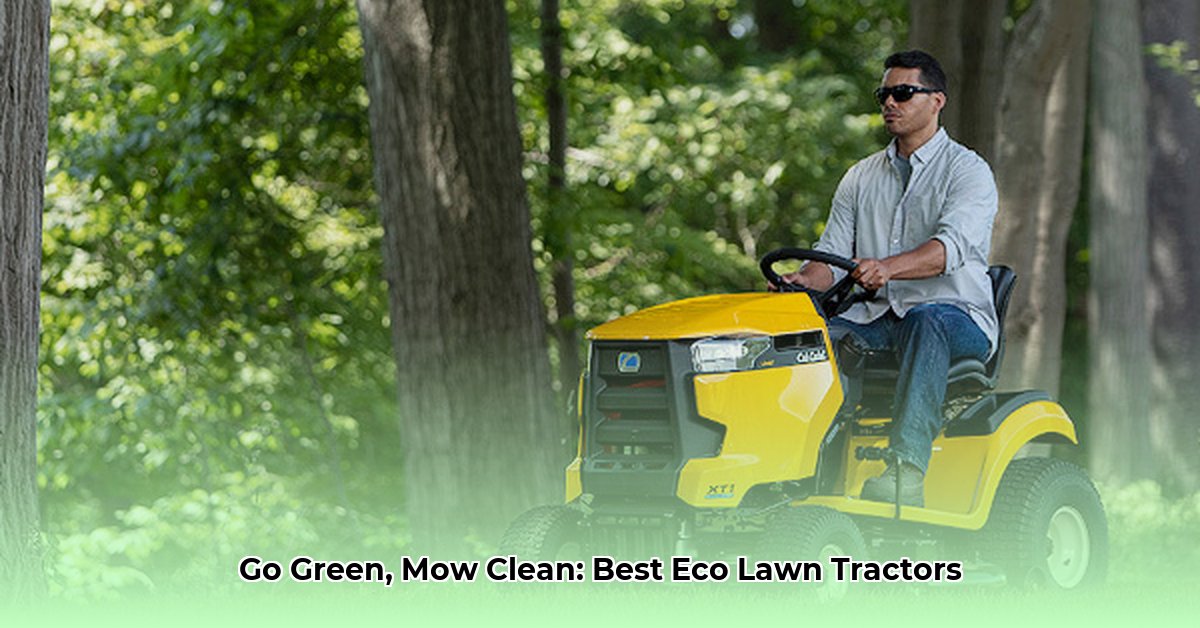
Choosing the right lawn tractor can significantly impact your lawn's health and the environment. This guide helps you navigate the options at Tractor Supply, focusing on sustainable practices and efficient equipment. We'll cover everything from assessing your yard's needs to selecting the perfect electric or gas-powered model, and even provide tips for eco-friendly lawn care beyond the equipment itself. For more on lawn tractor models, check out this helpful resource: John Deere Models Explained.
Sizing Up Your Needs: Pre-Shopping Considerations
Before diving into models, assess your lawn and budget realistically. Consider these key factors:
Lawn Size and Terrain: Measure your lawn's dimensions. Note any slopes, obstacles (trees, flowerbeds), or challenging areas. A small, flat lawn requires a different tractor than a large, hilly one. Determining the square footage is critical for selecting the appropriate engine size and cutting deck width.
Budget: Lawn tractors range widely in price. Establish a firm budget before you start shopping to avoid impulse purchases. Factor in potential maintenance costs and the lifespan of the machine. A higher upfront cost for a robust, more efficient model might save you money in the long run.
Lawn Care Preferences: Do you prefer bagging, mulching, or side-discharging? Mulching returns grass clippings to the lawn as natural fertilizer, a key aspect of sustainable lawn care. Consider additional features like headlights for early morning or evening mowing.
Engine Type: Gas vs. Electric: This is a major decision. Gas-powered tractors offer more power for larger lawns or challenging terrain but produce emissions. Electric models are quieter, cleaner, and require less maintenance, but may be less powerful and have shorter run times. The choice depends heavily on your lawn's size and your environmental priorities.
Gas vs. Electric: The Great Lawn Tractor Debate
The choice between gas and electric lawn tractors hinges on your specific needs and priorities.
Gas-Powered Tractors:
- Pros: High power, suitable for large or hilly lawns, longer run times.
- Cons: Produce emissions, require more frequent maintenance (oil changes, spark plug replacement), louder operation.
Electric Tractors:
- Pros: Zero direct emissions during operation, quieter, lower maintenance requirements, environmentally friendly.
- Cons: Typically less powerful than gas models, limited run time based on battery capacity, higher initial cost.
Here's a comparative table summarizing the key differences:
| Feature | Gasoline-Powered Tractor | Electric Tractor |
|---|---|---|
| Power | High; ideal for large or challenging lawns | Lower; best for smaller, flatter lawns |
| Runtime | Long, limited only by fuel tank capacity | Limited by battery life; recharge needed |
| Maintenance | More frequent; oil changes, spark plugs, etc. | Less frequent; primarily battery maintenance |
| Environmental Impact | Higher emissions during operation | Lower emissions during operation; consider battery lifecycle |
| Note: Battery lifespan and charging times vary widely depending on the model. |
Finding Your Perfect Tractor at Tractor Supply: A Step-by-Step Guide
This structured approach will simplify your search:
1. Accurate Measurements: Precise measurements of your lawn are crucial for determining the appropriate size and power of the tractor. Don't underestimate the importance of this step.
2. Budget Definition: Sticking to your predetermined budget prevents overspending. Consider financing options if needed, but remember to factor in those costs into your overall budget.
3. Prioritize Features: List essential and desirable features. Consider mulching capabilities, grass catchers, headlights, and other options based on your needs and preferences.
4. Review Research: Thoroughly research online reviews from other Tractor Supply customers. Pay attention to recurring themes—both positive and negative—to gain valuable insights.
5. In-Person Inspection: Visit your local Tractor Supply store to examine the tractors firsthand. Test the controls, evaluate comfort (yes, sitting in it matters!), and ask questions.
6. Comparative Analysis: Compare shortlisted models side-by-side using a spreadsheet or similar method. Focus on the pros and cons of each model in relation to your specific needs.
Sustainable Lawn Care: Beyond the Tractor
Sustainable practices extend beyond equipment choice. These tips optimize lawn health and minimize environmental impact:
Mulching: Leave grass clippings on the lawn. This returns nutrients to the soil, reducing fertilizer needs.
High Mowing: Mow at a higher setting. Taller grass is more drought-resistant, shades soil, and suppresses weeds.
Sharp Blades: Dull blades tear grass, causing damage and inefficient cutting. Sharpen or replace blades regularly.
Efficient Watering: Water deeply but infrequently, encouraging deeper root systems and reducing water waste. Early morning or late evening watering minimizes evaporation.
By combining responsible equipment choices with these sustainable lawn care practices, you can create a lush, healthy lawn while minimizing your environmental footprint. Remember to consult the owner's manual for proper tractor maintenance and operation.